High Quality Payroll and HR Services
Client Resources News & Tips Email Us 610-310-7615

Sep 23, 2025
What Are the Best Payroll Practices?
Are you curious about the idea of a streamlined payroll process? It's a great way to make sure your entire payroll department is on the same page and operating with the same standards in mind. Read through for insights into the best payroll practices.
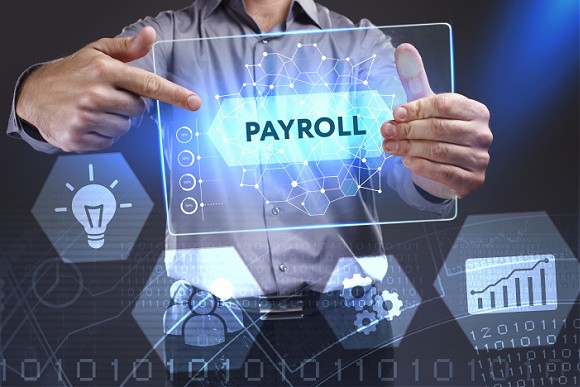
At its core, payroll processing means collecting employee information, issuing payments and keeping accurate records. One of the upsides of managing payroll is the predictability — most of the key deadlines are known ahead of time. By incorporating strategic planning into your payroll schedule, you can avoid costly mistakes and potential IRS penalties.
Key payroll deadlines to keep in mind
Here are some of the major payroll-related deadlines you'll want to plan for:
- Paydays (weekly, biweekly, semimonthly or monthly)
- Federal Reserve closure dates
- Local bank holidays
- IRS deadlines for filing and furnishing tax forms
How you track these dates depends on your tools and team preferences. For many teams, setting automated reminders in tools you already use — such as Slack or Microsoft Teams — works well. You can also create a shared payroll calendar in Google Calendar and invite everyone involved to relevant events throughout the year.
Why employee classification matters
To run payroll accurately, it's essential to understand employee classification. You'll need to distinguish:
- Full-time employees versus independent contractors
- Exempt versus nonexempt employees
Correct classification ensures you're collecting the right forms, applying the correct tax treatment and providing the appropriate benefits. Misclassifying workers — even unintentionally — can lead to missed taxes (such as Medicare and unemployment) and major compliance risks. Make it a habit to review your classifications regularly.
Automating payroll for accuracy and compliance
Automation helps streamline payroll and improve compliance. Consider using digital tools to manage:
- Time tracking
- Overtime, bonuses and raises
- Tax calculations and deductions
- Payroll reporting
- Tax filing
With real-time data, you take informed, data-driven actions — such as analyzing Social Security contributions by location or role.
Streamlining payroll approvals
Payroll approval is a crucial checkpoint to verify hours and ensure everything adds up. You can simplify the process by setting clear guidelines for approving staffing changes, promotions or other personnel updates. That way, issues don't snowball down the line.
Direct deposit and self-service options
Direct deposit is a must-have for most teams — it's convenient, secure and reliable. For organizations working with contractors or remote teams, flexible options such as digital payments or mobile access can make a big difference.
Mobile self-service portals empower employees to submit timekeeping amounts, update tax information and view pay stubs without involving human resources. That's less manual work for your team and a smoother experience for everyone involved.
Prioritizing payroll data security
With payroll comes responsibility — you're handling sensitive data such as banking info and employee records. Protect it with robust security measures, especially if you're using cloud-based solutions. Partnering with a secure, reputable payroll provider like Panacea Payroll can help mitigate risks.
Don't skip payroll recordkeeping
After payroll has been processed, update your records to reflect taxes and deductions. Under the Age Discrimination in Employment Act, you're required to retain payroll records for at least three years. These records should include benefit plans, seniority systems and any merit-based compensation structures.
Maintaining clear, accurate records isn't just good practice — it's your safety net in case of an audit or a legal issue.
Payroll as a strategic function
Payroll management is more than just sending out paychecks. It's a detailed, strategic process that requires accuracy, compliance and foresight. With the right systems and planning in place, your payroll department can run smoothly and support broader business goals.
©2025

MORE RECENT NEWS…
Aug 27, 2026
Where Remote Work Stands Today
The pandemic reshaped how and where work gets done, disrupting the U.S. office market and accelerating the shift toward remote and hybrid models. While return-to-office efforts have focused on productivity, collaboration and culture, they have also been influenced by practical concerns such as long-term leases and underused office space. Read through to see how hybrid work continues to evolve.
Aug 26, 2026
Protecting Your Company From Online Defamation
Your company has terminated an employee — and now you're bracing for what they might say about their former workplace online. Social media can turn a disgruntled former worker into a very public critic. Read through for an overview of ways to prevent disparagement through culture and policy, deter it with a nondisparagement clause and respond to it with legal help.
Aug 25, 2026
Newsflash: Enhancements to the Paid Family and Medical Leave Tax Credit
Employers, including small businesses, that provide paid family and medical leave to their employees may be eligible for an employer tax credit. Read through to read about several new enhancements to this credit under the Working Families Tax Cuts.
Aug 24, 2026
Protect Your Business From Cybersecurity Attacks
No matter what the size of the organization, all businesses face the threat of cybersecurity attacks. Small businesses in particular feel vulnerable to cyberattacks. Read through for a discussion about what small businesses are doing to secure their data.
More News & Press can be found in our Archive.
Panacea Payroll
3277 West Ridge Pike
Suite A101
Pottstown, Pennsylvania 19464
610-310-7615

MEMBER OF







WE'RE SERIOUS ABOUT SECURITY
Staying resilient from malicious threats, cyber and physical, is critical in providing the exemplary value our clients expect from us. To do this, we integrate the National Institute of Standards and Technology's (NIST) Cybersecurity Framework that ensures our security procedures, policies, and infrastructure are up to the highest standard possible. Financial institutions, infrastructure management, defense, healthcare, and other heavily regulated industries that rely on stringent information safeguards use the NIST Cybersecurity Framework. We review our security policies and procedures frequently to ensure newly identified threat and vulnerability information is incorporated. Our network infrastructure and physical locations are continuously monitored for anomalies and uninvited guests. Additionally, our incident response and business continuity plans are tested frequently to minimize the likelihood of backup failures.
© 2026 Panacea Payroll, All Rights Reserved.